
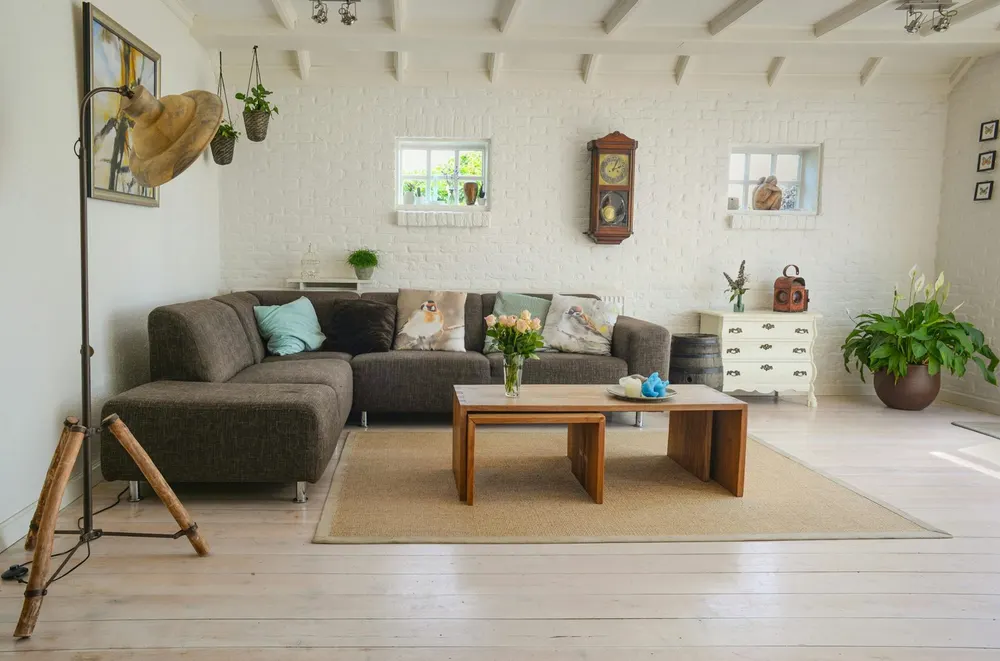
Furnish a Dubai holiday home around the guest's daily routine: entering the property, storing luggage, sleeping, bathing, cooking and leaving. Start with usable beds, seating, lighting and appliances, then choose durable finishes and easy to replace supplies. A room that photographs well still needs to work during every stay.
Editorial check: Reviewed 14 September 2026. Prices, schedules, availability, menus, building access and booking terms can change. Verify live details with the official sources before deciding.
Check approval criteria before buying extras
Start with the applicable unit type and classification in DET’s holiday home guide, Appendix 1. Separate the required equipment and safety work from optional styling purchases. Ask the responsible operator to mark each applicable criterion against your inventory and identify anything that needs a qualified installer or inspection. A shopping checklist or trial stay does not establish compliance.
Keep an approval sheet with the item, quantity, installed cost, supplier, warranty and replacement budget. Record who may approve substitutions and whether procurement or installation is charged separately. Photograph the delivered items and retain invoices; a generated illustration cannot prove what was installed.
For the listing, use photos of the finished home and check them against Airbnb’s home host ground rules. Do not digitally add amenities or hide damage. If an item is removed or unavailable, update the description and images before relying on them to sell a stay.
What should you buy first?
List the intended sleeping arrangements before shopping. Match seating, dining places, towels and kitchen equipment to the capacity you plan to advertise. Measure doors, lifts and rooms as well as the furniture itself. Include delivery, assembly and packaging removal in the setup budget. Do not buy additional beds before confirming that the layout and applicable requirements support the intended capacity.
| Area | Practical checks | Record for replacement |
|---|---|---|
| Bedroom | Bed size, comfortable mattress, bedside lighting and usable curtains | Mattress dimensions and linen sizes |
| Bathroom | Working fittings, storage and washable supplies | Fixture models and towel specification |
| Living room | Seating capacity, clear routes and accessible sockets | Fabric care instructions |
| Kitchen | Working appliances and an inventory suitable for the advertised guest count | Appliance model numbers and manuals |
| Arrival | Key handover, luggage space and clear instructions | Access card inventory |
How do you balance appearance and upkeep?
Choose pieces that can be cleaned, repaired and replaced without redesigning the room. A standard linen size makes spare stock easier to manage. Removable covers may simplify care, but check their washing instructions before buying. An unusual lamp or imported tap can become expensive if a small replacement part is unavailable.
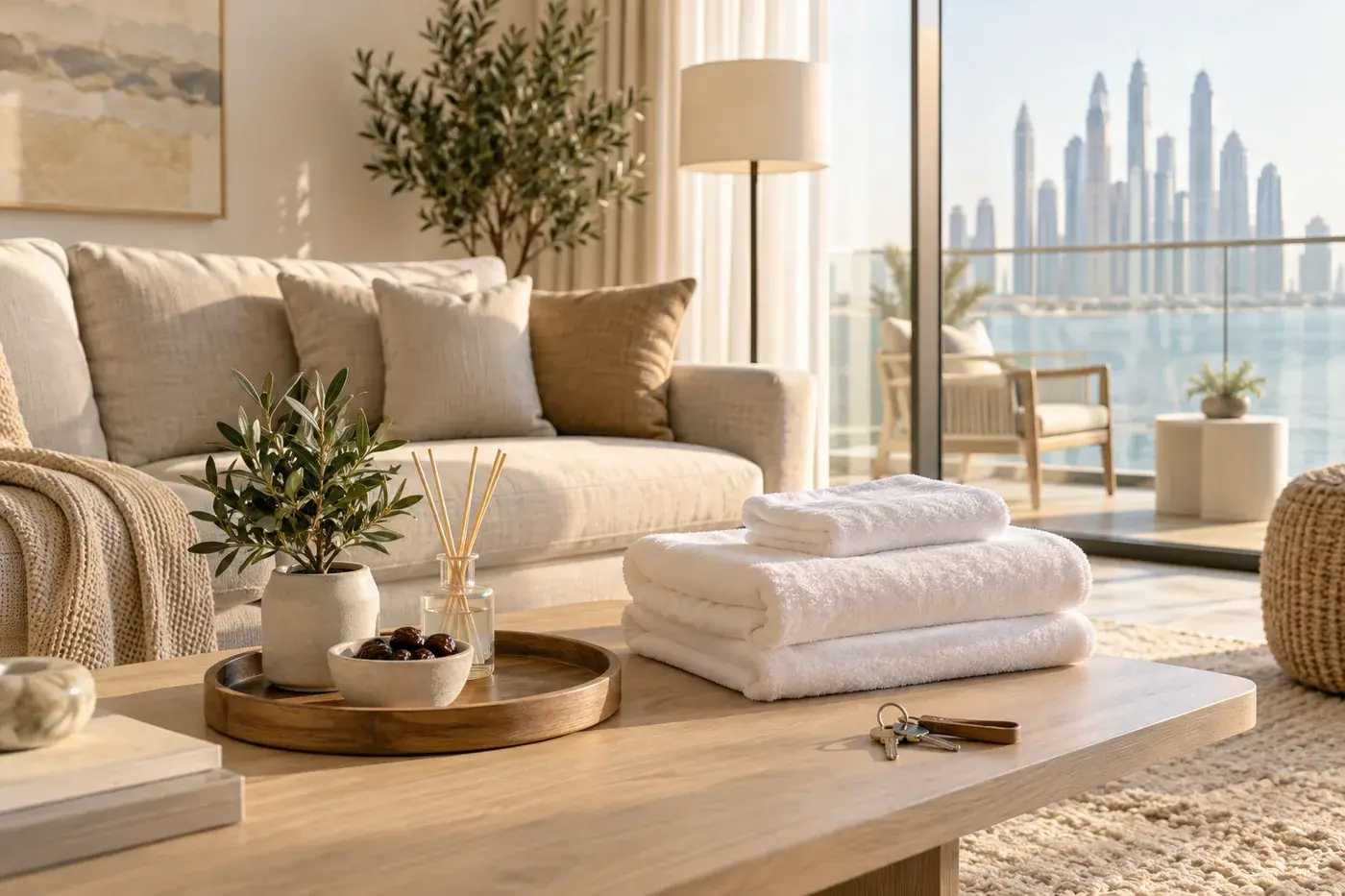
Keep invoices and a dated inventory. Photograph each room when the setup is complete, including the condition of high use items. These records help with ordinary maintenance and resolving disagreements about damage. Generated pictures may illustrate design ideas, but they cannot document an actual property's condition.
What belongs in the furnishing budget?
Separate initial purchases from recurring costs. The initial budget should cover delivery, assembly, installation and any work needed before photography. The operating budget should allow for linen, consumables, breakage and wear. Record whether the manager charges for procurement or setup coordination and who approves a substitute item if the original is out of stock.
For a simple planning exercise, list every item, quantity, unit cost and delivery charge. Multiply quantity by unit cost and add the extra charges once. Keep a separate contingency line chosen for your project; do not conceal it in inflated item prices. No furnishing budget supports an increase in nightly rate.
How should you test the home before launch?
- Enter using the instructions a guest will receive, including parking or building access.
- Find the Wi-Fi information, controls and essential contact details without help.
- Check that appliances work and their instructions are easy to find.
- Walk through luggage storage, showering, sleeping and making a simple meal.
- Ask the cleaning team to complete a trial turnover and identify awkward materials or missing supplies.
This practical walkthrough complements any required inspections; it does not replace them. Confirm safety arrangements and the suitability of equipment with the relevant qualified provider. Describe accessibility features precisely instead of assuming that a lift or step free entrance makes the whole home accessible.
When should you photograph the property?
Take final listing photos once the actual furnishings and amenities are installed. Show the real layout, views and sleeping spaces. Disclose temporary limitations and update images after material changes. Airbnb's listing standards require the description to reflect what guests will receive.
What should an owner approve?
Approve the final inventory, setup cost, care plan and published images together. Review property photography, housekeeping and the owner onboarding guide before opening availability. Those conversations help connect the room design to the way the home will operate.
How this guide was reviewed
Separate the operating decision into permissions, guest experience, property care, pricing and owner reporting. Record who is responsible for each task and cost. Use the current DET requirements and the written management agreement for the property. Examples in this guide are decision aids, not income or booking guarantees. This editorial review removed date sensitive claims that could not be supported by a current primary source.
Continue exploring Dubai
Short Term Rental Income in Dubai: Compare Net Returns · Best Areas to Stay in Dubai for Any Traveler.